
Summary
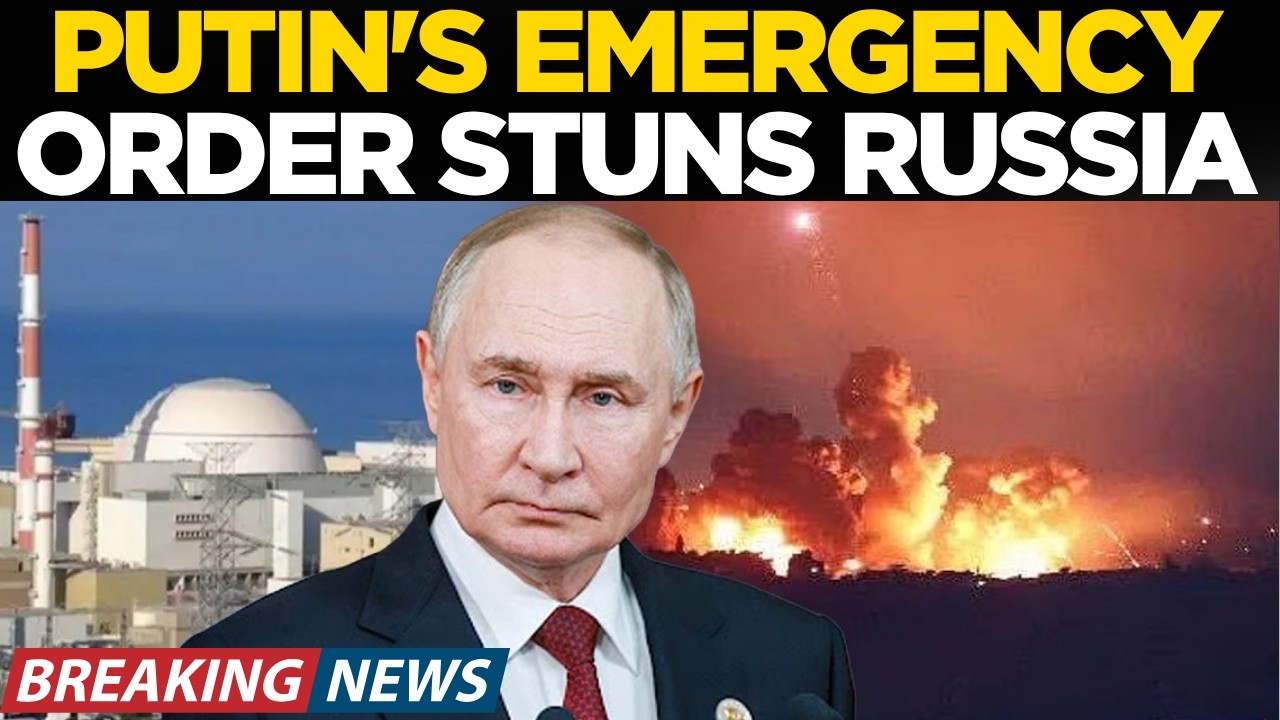
The **United States**, led by **President Trump**, has announced a cease-fire agreement between **Israel** and **Lebanon**, with **Prime Minister Benjamin Netanyahu** confirming the agreement. The truce aims to pause attacks targeting **Hezbollah**, but **Israeli troops** will not withdraw. This development comes amidst the ongoing **Iran War**, with the international community watching closely. The situation is complex, involving multiple parties, including **Iran**, **Hezbollah**, and **Israel**. For more context, see [[iran-war|Iran War]] and [[middle-east-geopolitics|Middle East Geopolitics]]. The cease-fire is a significant step, but its success depends on the cooperation of all parties involved, including **Lebanon** and **Israel**. As the situation unfolds, it's essential to consider the perspectives of all parties, including [[israeli-perspective|Israeli Perspective]] and [[lebanese-perspective|Lebanese Perspective]].
Key Takeaways
- The cease-fire agreement is a significant step towards peace in the region
- The agreement aims to pause attacks targeting Hezbollah
- The situation remains volatile, and the potential for renewed conflict is still present
- The international community can play a crucial role in supporting the agreement and ensuring its success
- The agreement highlights the importance of diplomacy in resolving conflicts
Balanced Perspective
The cease-fire agreement is a complex development, with multiple parties involved. While **Israel** and **Lebanon** have agreed to pause attacks, the situation remains volatile. The agreement does not address the underlying issues driving the conflict, and the potential for renewed violence is still present. The international community will be watching closely to see if the agreement holds, and what steps will be taken to address the root causes of the conflict. For more context, see [[conflict-resolution|Conflict Resolution]].
Optimistic View
The cease-fire agreement is a significant step towards peace in the region, and **President Trump**'s involvement has been instrumental in bringing the parties to the table. With **Israel** and **Lebanon** agreeing to pause attacks, there is hope for a more lasting peace. The international community, including the **United Nations**, can play a crucial role in supporting the agreement and ensuring its success. For more on the role of the UN, see [[united-nations|United Nations]]. The agreement also highlights the importance of diplomacy in resolving conflicts, as seen in the efforts of **Secretary of State** to broker a deal.
Critical View
The cease-fire agreement is a fragile truce that may not hold. **Hezbollah**'s involvement in the conflict and **Iran**'s influence in the region pose significant challenges to a lasting peace. The agreement does not address the underlying issues driving the conflict, and the potential for renewed violence is still present. The international community should be cautious in its optimism, and recognize that the situation remains volatile. For more on the challenges facing the region, see [[middle-east-challenges|Middle East Challenges]].
Source
Originally reported by The New York Times